

sandblasting engraving
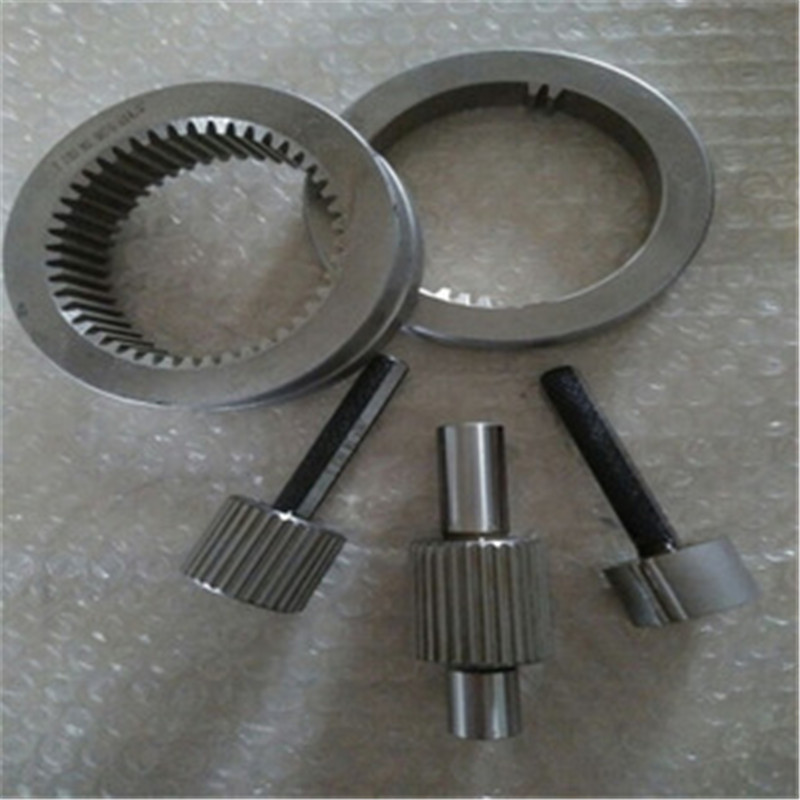
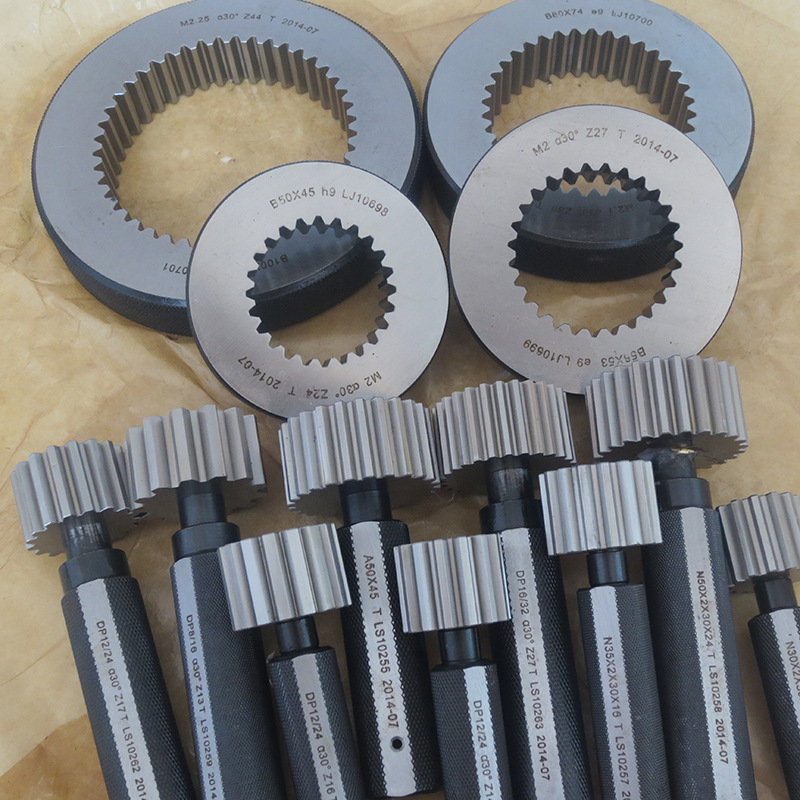
Understanding Ring Gauge and Plug Gauge Key Elements in Precision Measurement In the realm of manufacturing and engineering, precision is paramount. The dimensions of machined parts must adhere to strict tolerances, and even a minor deviation can lead to malfunction or failure of the final product. To ensure that these tolerances are met, various measuring tools and gauges are employed, among which the ring gauge and plug gauge play a significant role. What Are Ring Gauges? Ring gauges are cylindrical tools used to measure the external diameter of a part. Their primary function is to verify whether a workpiece's outer dimension falls within specified tolerances. Ring gauges are typically produced in two categories go and no-go gauges. - Go Gauges These are designed to fit onto or over the workpiece, confirming that the part is within the acceptable limits. If a go gauge can be applied without force, the diameter is considered acceptable. - No-Go Gauges These are intended to not fit onto the workpiece. If a no-go gauge passes over the part, it indicates that the dimension is oversized and fails the inspection. The simplicity and effectiveness of ring gauges make them essential in quality control processes, ensuring that manufactured components meet the required specifications. What Are Plug Gauges? Conversely, plug gauges are designed for measuring the internal dimensions of holes, such as diameters and depths. Similar to ring gauges, plug gauges also come in go and no-go varieties. - Go Plug Gauges These gauges are inserted into a hole to check its diameter . If the go plug fits without undue force, the internal diameter is within specification. - No-Go Plug Gauges These gauges are larger in diameter than the go plugs and are used to ensure that the hole is not oversized. If a no-go plug gauge fits into the hole, it fails to meet the required standard. ring gauge plug gauge Both ring and plug gauges are essential in ensuring that components fit together correctly in assemblies, which is crucial in industries such as aerospace, automotive, and precision engineering. Importance in Quality Control The proper use of ring and plug gauges contributes significantly to maintaining quality control in production processes. They help identify defects early, reducing scrap rates and ensuring that only parts that meet stringent specifications proceed through the manufacturing line. This not only saves costs but also enhances the reliability and performance of the end products. Material and Design Ring and plug gauges are typically made from high-quality tool steel or carbide, ensuring durability and long-term accuracy. They are often treated with surface hardening techniques to withstand wear. Precision grinding is used to achieve the required tolerances, making them reliable tools for measurements. The design of these gauges also considers user convenience; most modern gauges feature ergonomic handles and clear markings indicating their size and tolerance levels, making them easy to use in various settings. Calibration and Maintenance Like all precision measuring tools, ring and plug gauges require regular calibration and maintenance to ensure accuracy. Calibration involves comparing the gauges to a standard reference that is traceable to national or international measurement standards. Proper care, including cleaning and storage in protective cases, can extend the life of these gauges and preserve their accuracy. Conclusion In conclusion, ring gauges and plug gauges are fundamental tools in precision engineering and manufacturing. They provide critical measurements that ensure parts meet safety and performance standards, contributing to the integrity of finished products. As industries continue to evolve, the role of these gauges remains vital; they are indispensable allies in the pursuit of quality control, guaranteeing that every component fits perfectly and functions reliably. The continued development and innovation in gauge technology will further enhance their effectiveness, driving forward the standards of precision in manufacturing practices.
about
sandblasting engraving
Introduction to Slow Closing Check Valves The Slow Closing Check Valve represents a significant advancement in fluid control technology, addressing critical challenges in pipeline systems such as water hammer, pressure surges, and mechanical wear. Designed for industrial, commercial, and residential applications, these valves combine precision engineering with durable materials to ensure long-term performance and reliability. This article explores the features, advantages, technical specifications, and applications of the 300X model, while also highlighting the company's commitment to innovation and quality. Key Features of the 300X Slow-Closing Muffler Check Valve The 300X Slow-Closing Muffler Check Valve is engineered to mitigate the destructive effects of water hammer, a phenomenon that occurs when fluid flow is abruptly stopped, causing pressure spikes that can damage pipelines and equipment. Its unique dual-chamber design and controlled closure mechanism make it a standout solution for modern fluid systems. Dual-Chamber Technology: The Core of Innovation The valve's dual-chamber system consists of an upper and lower water chamber, separated by a piston-style disc. This design allows for a two-stage closure process: Stage 1: Rapid Emergency Shutoff – The disc closes within 2 seconds to prevent high-velocity backflow, protecting pumps and valves from immediate damage. Stage 2: Gradual Pressure Relief – Over 10–60 seconds, the needle valve regulates flow between chambers, enabling a slow, even closure that dissipates residual pressure and suppresses water hammer peaks to ≤1.5x working pressure. This dual-action mechanism ensures that the valve can handle both emergency scenarios and routine operations with minimal stress on the system. Enhanced Performance Metrics The 300X model excels in several key performance areas: Low Pressure Activation : Begins closing at just 0.05MPa, ensuring reliable operation in low-head systems. Minimal Flow Resistance : A streamlined disc design reduces pressure drop by 25% compared to swing-type check valves, optimizing energy efficiency. Extended Cycle Life : Capable of 50,000+ operations without seat wear, twice the industry average for similar valves. Advantages of Slow Closing Check Valves in Modern Applications Industries rely on Slow Closing Check Valves to enhance safety, efficiency, and cost-effectiveness. Here’s how they benefit various sectors: 1. Water Hammer Mitigation Water hammer is a leading cause of pipeline failures, particularly in systems with pumps, boilers, or high-pressure flows. The 300X valve’s slow closure reduces pressure surges by up to 99%, as noted in NIST studies on fluid dynamics and system resilience. By preventing sudden flow stops, it protects infrastructure and reduces maintenance costs. 2. Operational Efficiency The valve’s controlled closure minimizes turbulence and energy loss during fluid transit. This efficiency translates to lower operational costs, as highlighted in NIST research on energy optimization in industrial systems. For example, in water treatment plants, the 300X model ensures smooth flow regulation, reducing wear on pumps and extending their lifespan. 3. Durability and Longevity Traditional check valves often suffer from rapid wear due to abrupt closures. The 300X model’s design distributes stress evenly, reducing maintenance needs. According to NIST standards for material durability, this approach aligns with best practices for high-demand environments. 4. Noise Reduction The slow final closure eliminates the "water hammer bang," reducing noise by 40% compared to quick-closing models. This makes the 300X ideal for residential areas or noise-sensitive facilities, as emphasized in NIST guidelines for urban infrastructure. Technical Specifications of the 300X Slow-Closing Check Valve Parameter Details Nominal Pressure 1.0MPa–2.5MPa Low Action Pressure ≥0.02MPa Caliber 50–600mm Medium Temperature 0–80°C Applicable Medium Clean water Connection Form Flange (RF/FF) Shell Material Cast iron or brass Material Selection: Cast Iron vs. Brass The choice of material significantly impacts the valve’s performance and suitability for specific applications. Storaen (Cangzhou) International Trading Co. offers two primary options: 1. Cast Iron: Heavy-Duty Durability Cast iron, such as QT450 ductile iron, is ideal for high-pressure environments (up to 2.5MPa) and abrasive fluids like sewage or industrial water. Its rugged surface ensures a reliable seal for non-return check valves, as noted in NIST standards for industrial materials. 2. Brass: Precision for Clean Media Brass (e.g., HPb59-1 lead-free brass) excels in applications requiring hygiene and resistance to non-aggressive fluids. Its smooth surface meets FDA standards for potable water systems, making it suitable for residential plumbing or marine setups. For extreme corrosive environments, stainless steel check valves are recommended, as discussed in NIST research on material resistance. Installation and Maintenance Guidelines To ensure optimal performance, follow these installation and maintenance practices: Installation Steps Install a strainer (Y-type or basket filter) before the valve to prevent debris from entering. Ensure the arrow marking on the valve body aligns with the flow direction. Leave sufficient space around the valve for maintenance access. Install a stop valve with a corresponding diameter at the water source for repairs. Maintenance Tips Periodically inspect for leaks, wear, or obstructions. Clean the internal components to prevent buildup. Refer to the manufacturer’s guidelines for specific maintenance intervals. Frequently Asked Questions (FAQs) What is a Slow Closing Check Valve used for? The Slow Closing Check Valve prevents backflow in piping systems while minimizing water hammer effects. It ensures smooth transitions, protecting systems and extending component lifespans. How does the Slow Closing Check Valve work? The valve uses a controlled closure mechanism. When fluid flow stops, the valve closes gradually, preventing pressure surges. This is crucial for pumps, boilers, and other sensitive equipment. What materials are used in the construction of the Slow Closing Check Valve? The 300X model is typically made from high-quality materials like brass or stainless steel, ensuring durability and corrosion resistance. For specific applications, cast iron or stainless steel options are available. Can the Slow Closing Check Valve be installed in any orientation? Yes, the valve can be installed horizontally or vertically. However, following the manufacturer’s guidelines ensures optimal performance. Is maintenance required for the Slow Closing Check Valve? While the valve is designed for minimal maintenance, periodic inspections are recommended to ensure functionality and longevity. Company Background: Storaen (Cangzhou) International Trading Co. Storaen (Cangzhou) International Trading Co. is a leading provider of industrial valves and fluid control solutions. With a focus on innovation and quality, the company delivers products that meet global standards. Their commitment to research and development aligns with NIST principles for technological advancement, ensuring reliable and efficient solutions for diverse industries. References 1. National Institute of Standards and Technology (NIST) . "Driving Innovation in Technology and Manufacturing." Retrieved from https://www.nist.gov/ . 2. Storaen (Cangzhou) International Trading Co. "300X Slow-Closing Muffler Check Valve Specifications." Retrieved from https://www.strmachinery.com/slow-closing-check-valve.html .
-

High quality industrial productsagement

High quality industrial products
View Details -

Meet the diverse needs of customers

Meet the diverse needs of customers
View Details -

Strict quality control

Strict quality control
View Details -

Top raw materials

Top raw materials
View Details -

Trusted supplier

Trusted supplier
View Details
Our application
news and information
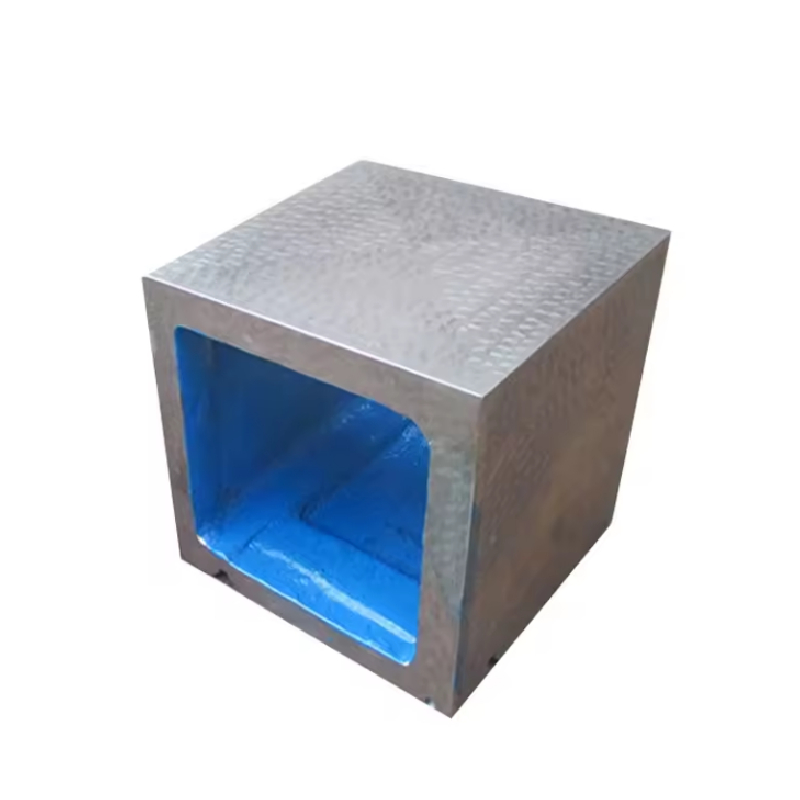
Wire bird spikes for effective bird control solutions in outdoor spaces.
Bird spikes wire is a common and effective solution to prevent birds from roosting or nesting on bui
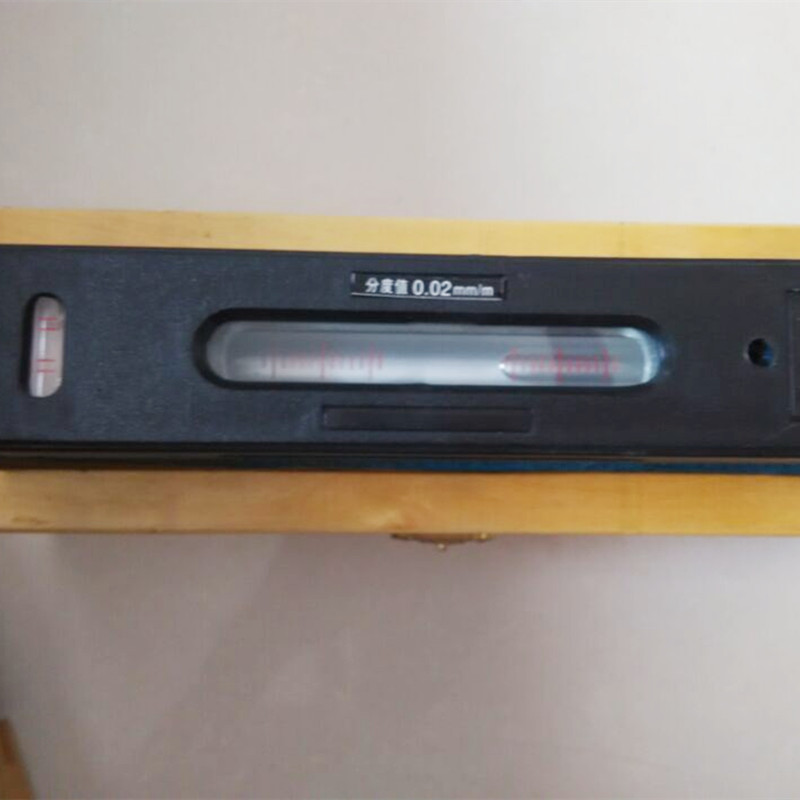
Vee Blocks for Sale - Premium Quality & Competitive Prices
Vee Blocks for Sale A Comprehensive Guide If you are in the manufacturing, engineering, or quality c
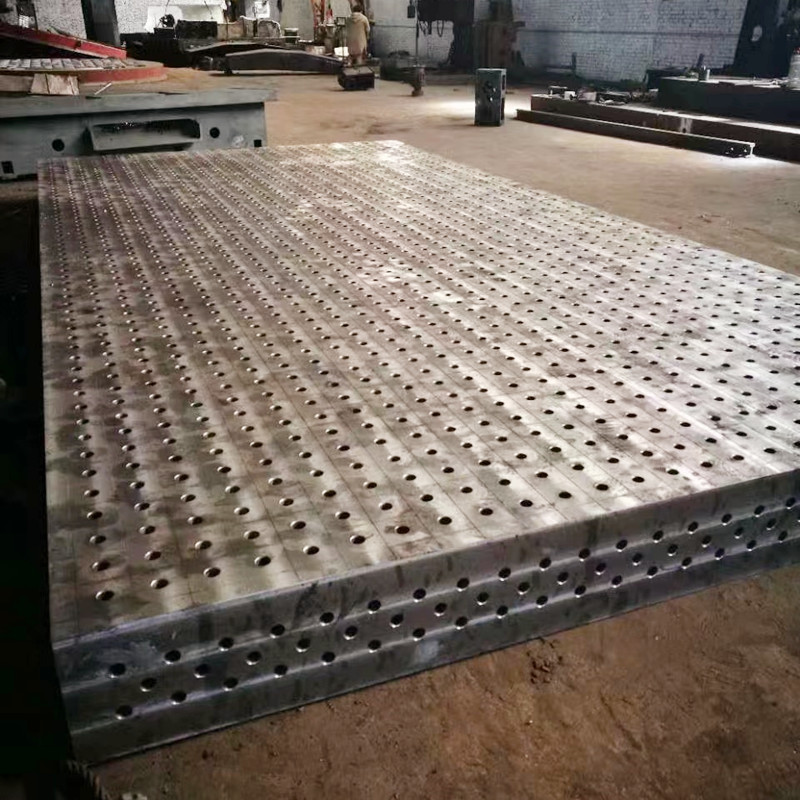
Versatile 5x10 Foot Welding Table for Efficient Metalworking Projects and Fabrication
The Importance of a 5x10% Welding Table in Modern Metal Fabrication Welding is an essential process
 English